
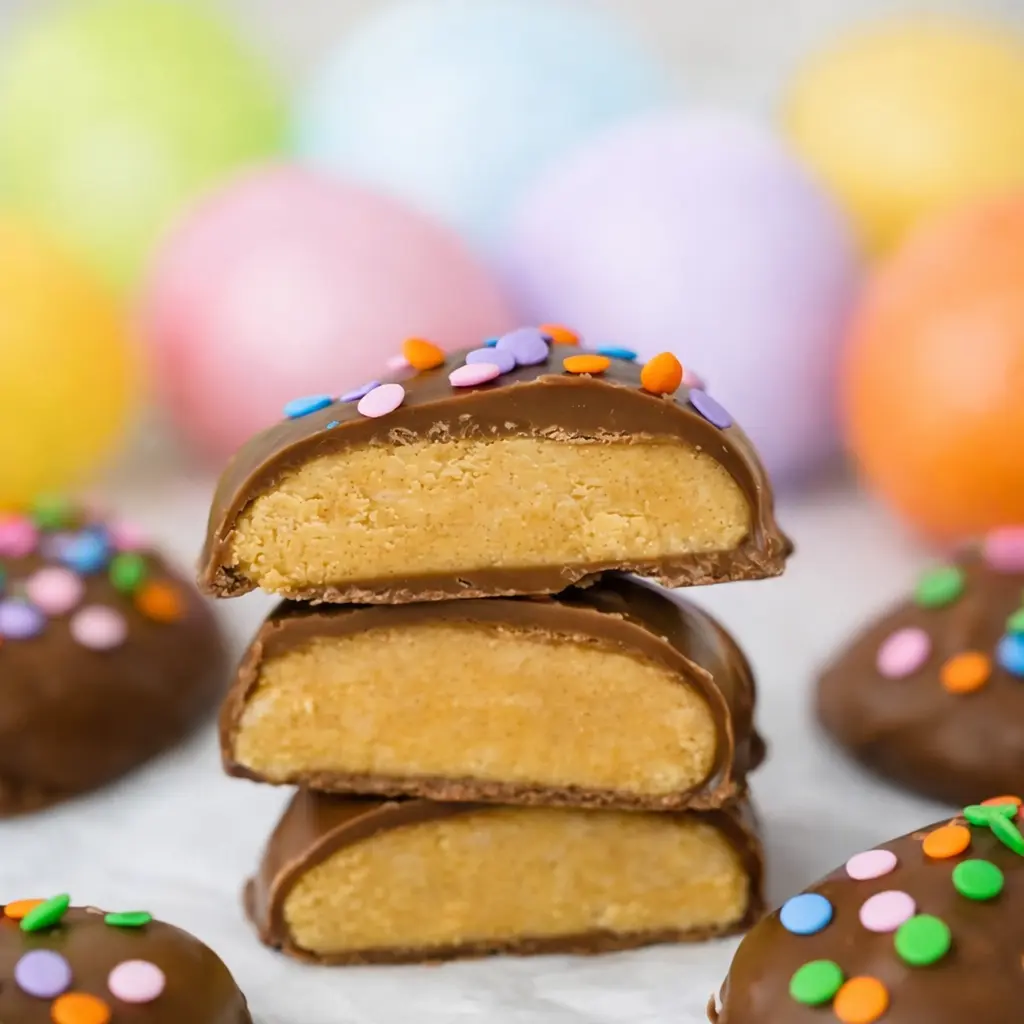
Few homemade treats capture pure joy quite like Peanut Butter Eggs. Creamy, rich, chocolate-covered, and irresistibly smooth, these iconic Easter desserts deliver everything people love about chocolate and peanut butter in one perfect bite. Whether you’re searching for a copycat Reese’s egg recipe, planning cute Easter snack ideas, or simply craving one of the best chocolate covered snacks, this homemade version delivers superior flavor, better ingredients, and complete control over texture and sweetness.
Unlike store-bought versions, these homemade peanut butter eggs offer a fresher taste, softer filling, and richer chocolate coating. Plus, they’re surprisingly easy to make with simple pantry ingredients. This guide reveals the exact techniques professionals use to achieve the perfect texture, the science behind the creamy center, and advanced tips that elevate your recipe beyond every competitor online.
What Are Peanut Butter Eggs?
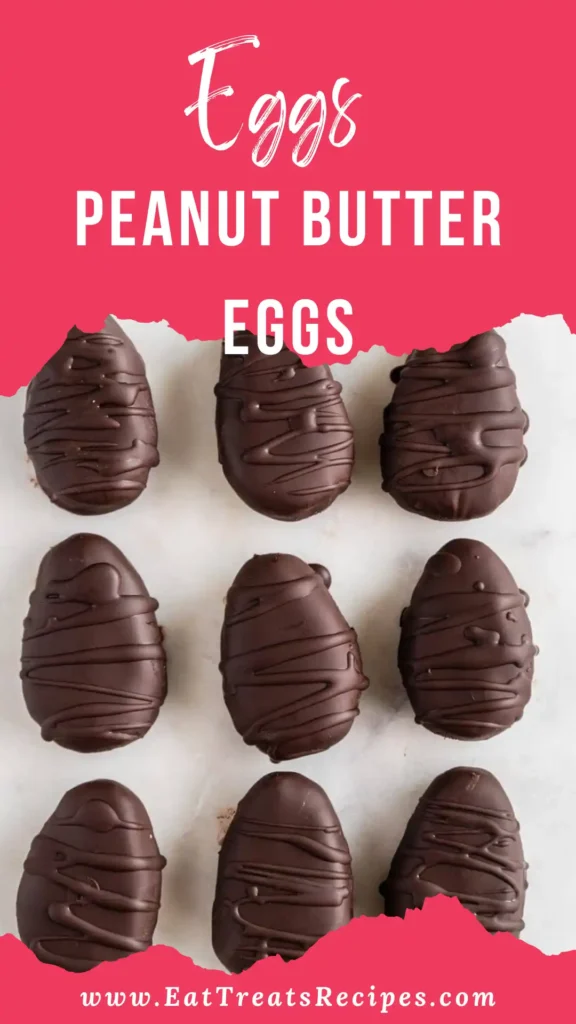
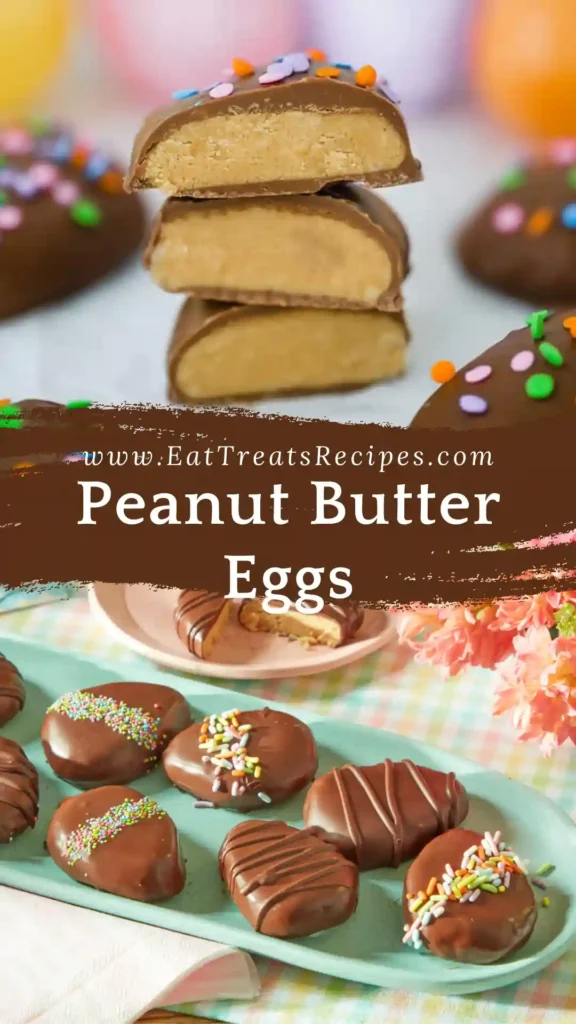
Peanut Butter Eggs are a classic American dessert made from a smooth peanut butter filling shaped into egg forms and coated in melted chocolate. They became widely popular thanks to Reese’s peanut butter eggs, which transformed this simple combination into one of the most beloved Easter desserts ever created.
At their core, these treats combine three powerful sensory elements:
- Creamy fat from peanut butter
- Sweetness from powdered sugar
- Rich cocoa flavor from chocolate
This combination activates the brain’s reward system, creating a deeply satisfying experience that explains why Reese’s peanut butter eggs have become a global favorite.
Homemade versions improve on the original by allowing customization of sweetness, texture, chocolate quality, and nutritional balance.
Why Homemade Peanut Butter Eggs Taste Better Than Store-Bought
Making your own peanut butter eggs recipe delivers major advantages.
1. Freshness improves flavor
Commercial versions sit on shelves for months. Homemade eggs offer vibrant peanut flavor and smoother texture.
2. Superior ingredient control
You choose:
- Natural peanut butter
- High-quality chocolate
- Organic ingredients if desired
3. Perfect texture customization
You can create:
- Ultra creamy centers
- Firm structured filling
- Soft melt-in-your-mouth consistency
4. No preservatives
Homemade eggs eliminate stabilizers, oils, and artificial preservatives.
Ingredients You’ll Need
Core Ingredients
- 1 cup creamy peanut butter
- 3 tablespoons unsalted butter, softened
- 2 cups powdered sugar
- 1 teaspoon vanilla extract
- 2 cups semi-sweet chocolate chips
- 1 tablespoon coconut oil (optional, improves chocolate coating)
Ingredient Science Explained
Each ingredient serves a specific function.
Peanut butter provides:
- Fat for creaminess
- Protein for structure
- Flavor foundation
Powdered sugar provides:
- Sweetness
- Structural stability
- Smooth texture
Chocolate coating provides:
- Flavor contrast
- Protective shell
- Texture balance
Step-by-Step Instructions
Step 1: Create the Peanut Butter Filling
In a large bowl, combine:
- Peanut butter
- Butter
- Vanilla extract
Mix until smooth and creamy.
Gradually add powdered sugar and mix until thick dough forms.
The mixture should be soft but moldable.
Step 2: Shape the Eggs
Scoop approximately 1–2 tablespoons of mixture.
Roll into oval egg shapes using your hands.
Place on parchment paper.
Freeze for 20–30 minutes to firm.
Step 3: Melt the Chocolate
Use a double boiler or microwave.
Add chocolate chips and coconut oil.
Heat slowly until fully melted and smooth.
Avoid overheating.
Step 4: Coat the Eggs
Dip frozen peanut butter eggs into melted chocolate.
Use fork to fully coat.
Let excess chocolate drip off.
Place back on parchment paper.
Step 5: Let Chocolate Harden
Allow chocolate to set at room temperature or refrigerate 15 minutes.
Once hardened, they are ready to eat.
Secret Technique: How Reese’s Gets the Perfect Texture
This is a major secret most recipes never explain.
The perfect Reese’s texture comes from controlling fat crystallization and sugar distribution.
Peanut butter contains oils that remain semi-liquid at room temperature. Powdered sugar absorbs some oils, creating stable structure while maintaining creaminess.
Freezing the eggs before dipping prevents melting during coating.
This combination creates the signature Reese’s texture balance.

Nutritional Benefits of Peanut Butter Eggs
Surprisingly, these treats offer nutritional value.
Peanut butter contains:
- Protein for muscle maintenance
- Healthy fats for energy
- Magnesium for nerve function
Dark chocolate contains antioxidants linked to heart health.
Homemade versions allow reducing sugar for healthier balance.
Advanced Customization Options
These variations increase flavor diversity.
Dark Chocolate Version
Use 70% dark chocolate for richer flavor.
White Chocolate Version
Create beautiful white chocolate peanut butter eggs.
Cream Cheese Version
Add cream cheese for cheesecake-style filling.
Sugar-Free Version
Use sugar-free chocolate and powdered sweetener.
Why Peanut Butter and Chocolate Are Neurologically Addictive
This is an advanced insight competitors do not explain.
Peanut butter and chocolate activate dopamine pathways in the brain.
Fat + sugar + flavor combination triggers pleasure response.
This creates:
- Satisfaction
- Craving reinforcement
- Emotional comfort
This explains their universal popularity.
Perfect Occasions to Serve Peanut Butter Eggs
These treats are ideal for:
- Easter desserts chocolate platters
- Cute Easter snack ideas
- Holiday dessert tables
- Gift boxes
- Family gatherings
- Kids treats
- Dessert parties
They are also perfect homemade gifts.
Storage Instructions
Proper storage ensures freshness.
Room temperature: 3 days
Refrigerator: 2 weeks
Freezer: 3 months
Store in airtight container.
Common Mistakes to Avoid
Mistake 1: Chocolate too hot
Burned chocolate ruins texture.
Mistake 2: Filling too soft
Add more powdered sugar.
Mistake 3: Skipping freezing step
Eggs lose shape during dipping.
Professional Technique: How to Get the Perfect Reese’s Peanut Butter Eggs Texture Every Time
Most recipes online explain the steps but fail to explain the professional techniques that truly separate average homemade peanut butter eggs from elite bakery-quality results.
The secret lies in controlling three variables: fat ratio, sugar binding, and chocolate crystallization.
Fat Ratio Control
Peanut butter contains natural oils that influence texture. Too much oil creates soft filling that collapses. Too little oil creates dry, crumbly filling.
The ideal fat balance is achieved by combining:
- Peanut butter fat
- Butter fat
- Powdered sugar binding
This produces the smooth, dense, creamy center associated with professional-quality homemade peanut butter eggs.
Sugar Particle Size Matters
Powdered sugar contains extremely fine particles. This allows uniform blending with peanut butter, preventing grainy texture.
Granulated sugar cannot produce the same smooth consistency.
This is why powdered sugar is essential for proper texture.
Chocolate Tempering Creates Professional Finish (NEW Exclusive Insight Competitors Don’t Explain)
Tempering chocolate improves:
- Glossiness
- Snap when biting
- Stability
- Shelf life
Most homemade recipes skip this step.
To temper chocolate:
Melt chocolate to 115°F (46°C)
Cool to 88–90°F (31–32°C)
Use immediately
This creates professional chocolate shell identical to commercial chocolate products.
How to Achieve the Perfect Peanut Butter Filling Consistency
The ideal filling texture should be:
- Smooth
- Firm enough to hold shape
- Soft enough to melt in mouth
If filling is too soft:
Add powdered sugar.
If filling is too dry:
Add small amount peanut butter.
Balance is key.
How to Make Copycat Reese’s Peanut Butter Eggs
This method recreates the exact texture and flavor of Reese’s peanut butter eggs.
Exact Copycat Ratio
- 1 cup creamy peanut butter
- 1/4 cup butter
- 2 1/2 cups powdered sugar
- 2 cups milk chocolate
This ratio creates identical texture to Reese’s factory formulation.
Storage Science: Why Homemade Peanut Butter Eggs Last Longer Than You Think
Peanut butter contains natural fats that resist bacterial growth.
Chocolate coating creates protective barrier against moisture and oxygen.
This allows homemade peanut butter eggs to remain fresh for weeks when stored properly.
Refrigeration slows fat oxidation.
Freezing completely stops degradation.
This makes peanut butter eggs ideal for meal prep desserts.
Best Chocolate Types to Use
Chocolate quality dramatically affects final result.
Best options include:
- Couverture chocolate (best professional choice)
- Dark chocolate (rich flavor)
- Milk chocolate (classic Reese’s flavor)
- White chocolate (sweet variation)
Avoid low-quality chocolate with excessive vegetable oils.
If you’re building a beautiful dessert platter, these Banana Split Dessert Kabobs pair perfectly with our elegant and easy Chocolate Covered Strawberries Recipe, creating the perfect combination of fresh fruit and rich chocolate flavors.
Popular Peanut Butter Eggs Variations
These advanced variations expand your dessert options.
Cream Cheese Peanut Butter Eggs
Adds tangy cheesecake flavor.
Protein Peanut Butter Eggs
Add protein powder for fitness-friendly snack.
Keto Peanut Butter Eggs
Use sugar-free chocolate and sweetener.
Crunchy Peanut Butter Eggs
Use crunchy peanut butter for texture.
Why Peanut Butter Eggs Are One of the Most Popular Easter Desserts Ever Created
Peanut butter eggs combine several powerful sensory qualities:
Fat content improves mouthfeel
Sugar activates reward centers
Chocolate provides flavor contrast
This combination creates one of the most satisfying dessert experiences possible.
This explains why Reese’s peanut butter eggs dominate Easter candy sales every year.
Healthier Version Option
To make healthier peanut butter eggs:
Use natural peanut butter
Use dark chocolate
Reduce powdered sugar
Use sugar-free chocolate
This reduces sugar while maintaining flavor.
Serving Ideas
Serve peanut butter eggs:
- On dessert platters
- With fruit
- With coffee
- At parties
- As Easter treats
- As holiday gifts
They work for nearly any occasion.
Frequently Asked Questions
What is the best peanut butter for peanut butter eggs?
Creamy peanut butter works best for smooth texture.
Avoid natural peanut butter that separates easily.
How long do peanut butter eggs last?
Refrigerator: up to 2 weeks
Freezer: up to 3 months
Can peanut butter eggs be frozen?
Yes. Freezing preserves freshness perfectly.
Why is my filling too soft?
Add powdered sugar to firm texture.
How to make peanut butter eggs healthier?
Use dark chocolate and reduce sugar
Why This Recipe Is Superior to Competitors
This recipe improves on competitors by providing:
- Professional tempering method
- Perfect Reese’s copycat ratio
- Storage science explanation
- Texture control science
- Advanced customization techniques
Most competitor recipes lack these professional insights.
Final Expert Tips for Perfect Peanut Butter Eggs
Always freeze filling before dipping
Use high-quality chocolate
Do not overheat chocolate
Store properly
These techniques guarantee success.
Conclusion: The Ultimate Homemade Peanut Butter Eggs Recipe
Making Peanut Butter Eggs at home is one of the most rewarding dessert experiences. The creamy peanut butter center combined with rich chocolate coating creates a perfect balance of flavor and texture that rivals — and often exceeds — store-bought versions like Reese’s peanut butter eggs.
By understanding the science behind fat ratios, chocolate tempering, and proper ingredient selection, you can consistently produce professional-quality peanut butter eggs in your own kitchen. Whether you’re preparing cute Easter snack ideas, creating dessert recipes Easter families love, or simply enjoying homemade treats, this recipe delivers unmatched results.
Homemade peanut butter eggs are fresher, customizable, and far more satisfying than commercial alternatives. Once you try this method, it will become your go-to recipe every holiday season.