
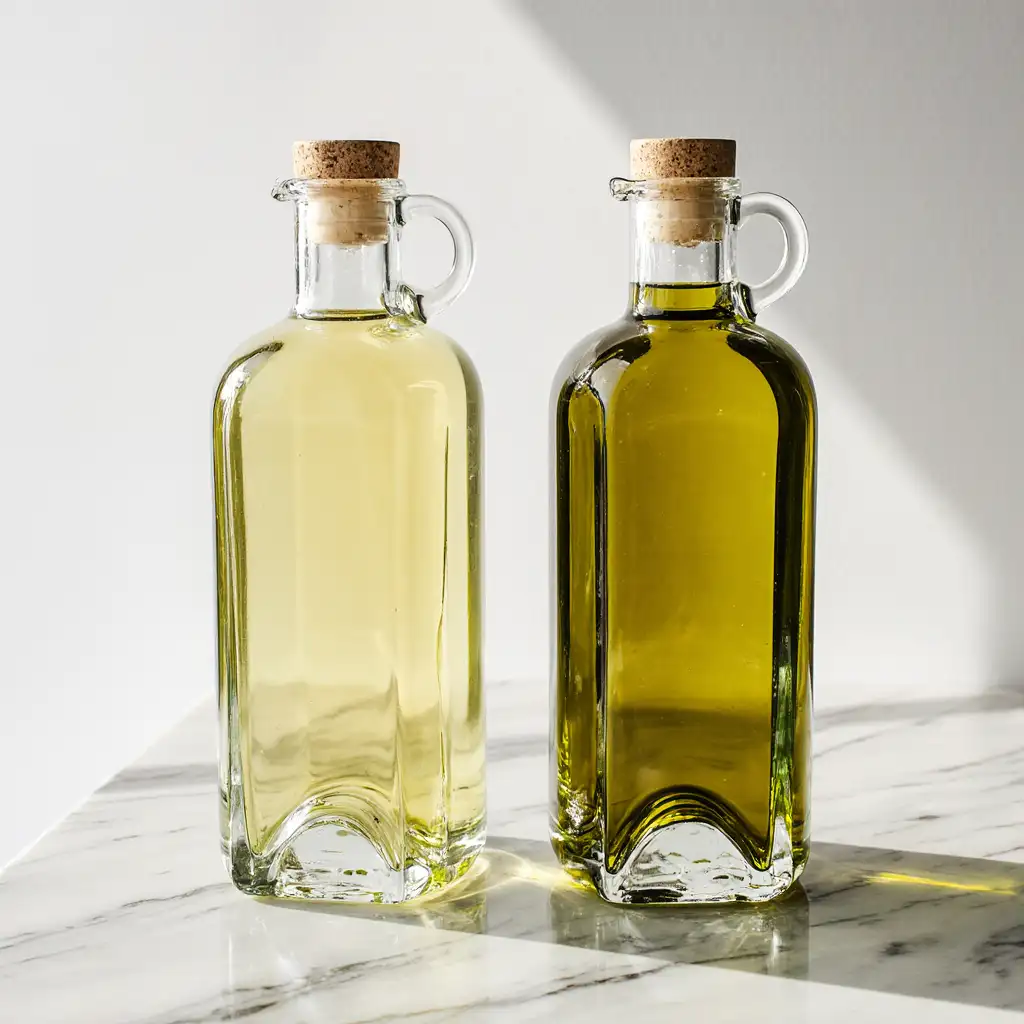
When it comes to healthy cooking fats, two oils dominate the conversation in 2026: olive oil and avocado oil. Both are praised for their nutrient profile, clean cooking compatibility, and versatility in the kitchen. But which one is actually better for cooking? And more importantly, which one is better for your specific cooking method?
If you’ve ever stood in the grocery aisle wondering whether to grab extra virgin olive oil or avocado oil, you’re not alone. This guide breaks down smoke point, stability, nutrition, flavor, cost, and practical kitchen use so you can cook confidently and cleanly.
For a full overview of healthy fats and cooking stability, read our complete guide:
👉 What Is the Healthiest Oil to Cook With? (2026 Clean Cooking Guide)
Quick Comparison Table
| Feature | Olive Oil | Avocado Oil |
|---|---|---|
| Smoke Point (EVOO) | ~375°F | ~500–520°F |
| Flavor | Fruity, peppery | Neutral, buttery |
| Best For | Sautéing, salads | High heat cooking |
| Fat Profile | High in monounsaturated fats | High in monounsaturated fats |
| Price | Moderate | Higher |
| Processing | Cold-pressed (EVOO) | Often refined |
What Is Olive Oil?
Olive oil is made by pressing olives, traditionally using cold extraction methods. Extra virgin olive oil (EVOO) is minimally processed and retains antioxidants and polyphenols that contribute to its flavor and stability.
It has been central to Mediterranean cooking for centuries and is widely studied for its heart-friendly fat profile.
Key Characteristics:
- Rich in monounsaturated fats
- Contains polyphenols (natural antioxidants)
- Distinct flavor
- Moderate smoke point
What Is Avocado Oil?
Avocado oil is extracted from the flesh of avocados. It is naturally high in monounsaturated fats, similar to olive oil, but typically has a higher smoke point especially when refined.
It has become popular in clean cooking circles because of its heat stability and neutral flavor.
Key Characteristics:
- Very high smoke point (especially refined)
- Mild flavor
- Stable at high temperatures
- Typically more expensive
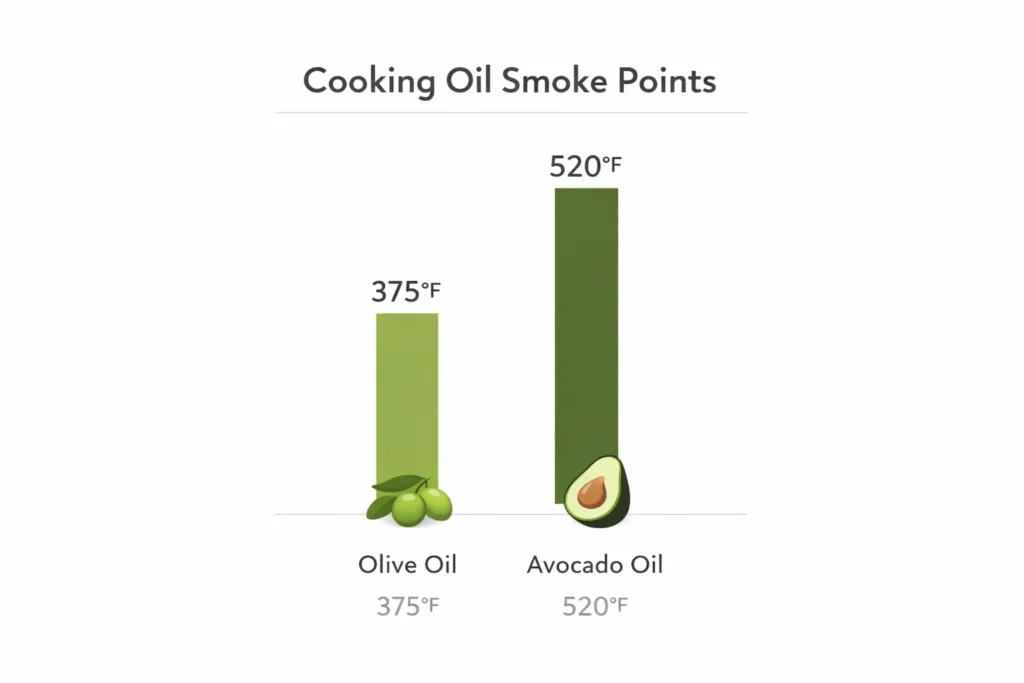
Smoke Point Comparison (Why It Matters)
Smoke point is the temperature at which oil begins to visibly smoke and break down. When oil exceeds this point:
- Flavor changes
- Nutritional quality can decrease
- Cooking performance declines
Olive Oil Smoke Point:
- Extra Virgin: ~350–375°F
- Light/Refined: ~465°F
Avocado Oil Smoke Point:
- Unrefined: ~480°F
- Refined: ~500–520°F
Practical Takeaway:
- For high-heat searing or frying → Avocado oil performs better.
- For moderate heat sautéing → Olive oil works beautifully.
For more detail on cooking temperatures and oil stability, see our full smoke point breakdown in the Clean Cooking Guide.
Fat Profile & Nutritional Comparison
Both oils are high in monounsaturated fats (MUFA), which are associated with heart health and stability during cooking.
Olive Oil:
- ~73% monounsaturated fat
- Contains polyphenols and vitamin E
- Naturally antioxidant-rich (especially EVOO)
Avocado Oil:
- ~70% monounsaturated fat
- Contains vitamin E
- Fewer polyphenols than EVOO
Clean Cooking Perspective
While both oils offer a similar fatty acid profile, olive oil especially extra virgin contains more naturally occurring antioxidants. These compounds may help support stability at moderate cooking temperatures.
Avocado oil compensates with heat tolerance and neutral flavor.
Flavor & Cooking Versatility
Olive Oil Flavor
- Fruity
- Slightly peppery
- Distinct aroma
Best for:
- Salads
- Drizzling
- Pasta
- Mediterranean dishes
- Light sautéing
Avocado Oil Flavor
- Mild
- Buttery
- Neutral
Best for:
- Stir fry
- High-heat searing
- Roasting
- Grilling
- Baking
If you want oil that disappears into the background → avocado oil.
If you want oil that enhances flavor → olive oil.
Stability & Clean Cooking Considerations
Clean cooking focuses on:
- Choosing stable fats
- Avoiding overheating oils
- Minimizing excessive processing
Olive Oil Stability
Despite common myths, extra virgin olive oil is quite stable at moderate heat due to its antioxidant content.
It performs very well up to typical sautéing temperatures.
Avocado Oil Stability
Because of its higher smoke point, avocado oil remains stable at higher temperatures. However, many commercial avocado oils are refined.
When possible, choose:
- Cold-pressed olive oil
- Cold-pressed or high-quality avocado oil brands
Best Oil for Different Cooking Methods
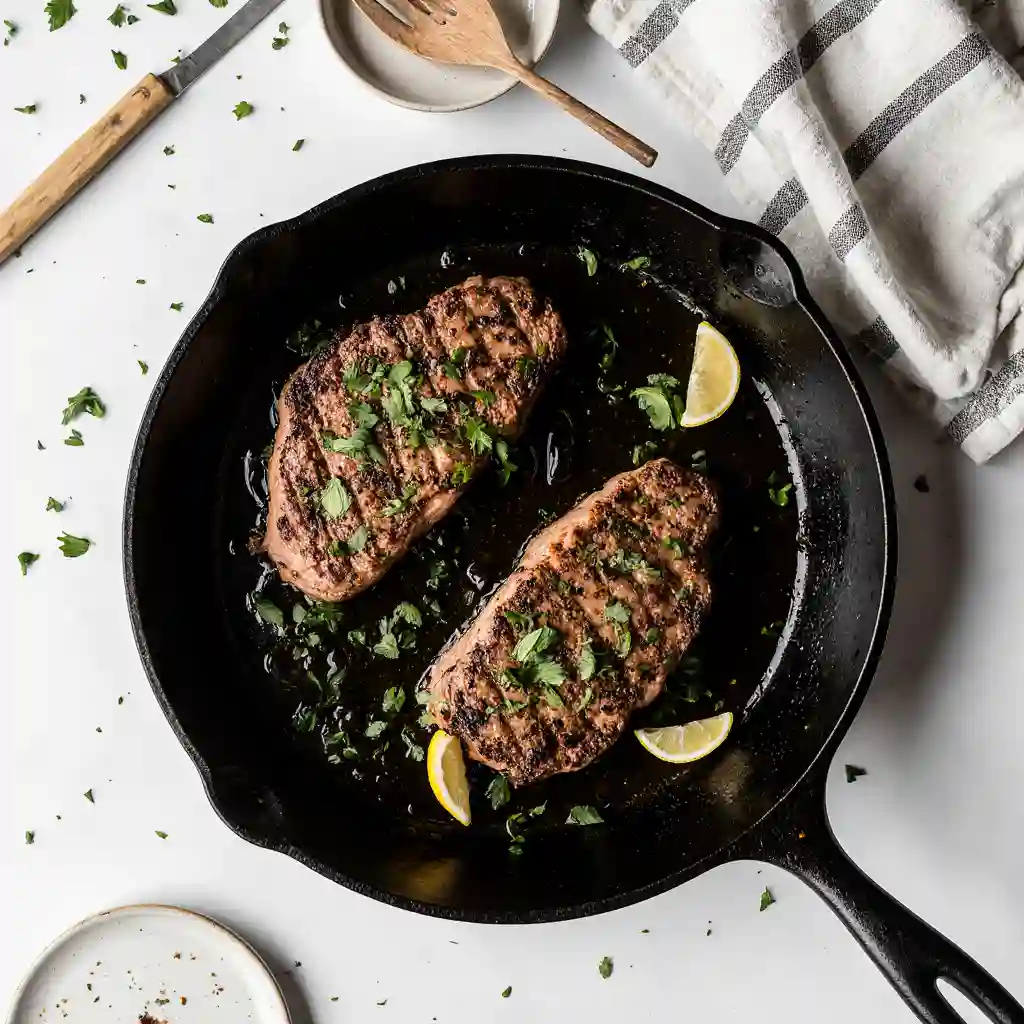
🔥 High Heat Searing (Steak, Cast Iron)
Winner: Avocado Oil
🥘 Everyday Sautéing (Vegetables, Chicken)
Winner: Olive Oil
🥗 Salad Dressings
Winner: Olive Oil
🍳 Air Fryer
Winner: Avocado Oil
🥖 Drizzling Over Finished Dishes
Winner: Olive Oil
🍪 Baking
Winner: Avocado Oil (neutral flavor)
Cost & Accessibility
Olive oil is generally:
- More affordable
- More widely available
- Easier to find high-quality options
Avocado oil:
- More expensive
- Quality varies
- Often refined
For everyday use, olive oil is more cost-effective.
For specialty high-heat use, avocado oil can be worth the investment.
Common Myths About Olive Oil and Heat
Myth: Olive oil should never be heated.
Reality: Extra virgin olive oil is stable at moderate cooking temperatures.
Myth: Avocado oil is automatically healthier.
Reality: Both oils have similar fat profiles. The difference lies more in heat tolerance and processing.
Which Oil Is Healthier Overall?
From a clean cooking perspective:
- Both oils are excellent choices.
- Olive oil shines in antioxidant content.
- Avocado oil shines in high-heat stability.
The healthiest oil depends on:
- Cooking temperature
- Flavor preference
- Budget
- Desired processing level
In reality, many home cooks benefit from using both oils strategically.
When to Use Both
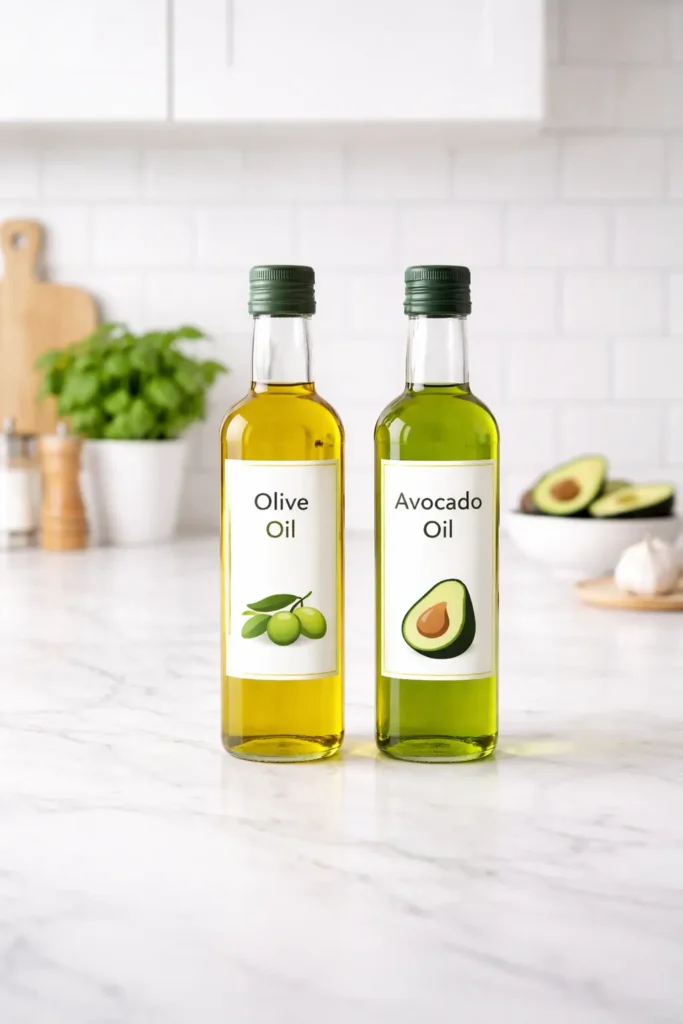
The smartest kitchen approach in 2026 isn’t choosing one oil it’s understanding when to use each.
- Keep olive oil for everyday cooking and dressings.
- Keep avocado oil for high heat applications.
This balanced method aligns perfectly with practical clean cooking.
FAQs
Is avocado oil better than olive oil for frying?
Yes, due to its higher smoke point.
Can I cook eggs in olive oil?
Yes, especially at moderate heat.
Is avocado oil processed?
Many versions are refined. Look for cold-pressed options when possible.
Which oil is best for weight management?
Both contain similar calories and fat profiles. Portion control matters more than oil type.
Final Verdict (2026 Clean Cooking Guide)
Olive oil and avocado oil are both excellent cooking fats. Rather than debating which is “better,” the smarter approach is understanding how each performs in your kitchen.
If you cook mostly at moderate heat and enjoy flavor choose olive oil.
If you frequently sear or roast at high temperatures avocado oil offers better stability.
Using both strategically gives you the best of both worlds.
For a complete breakdown of cooking oils, read our full guide:
👉 What Is the Healthiest Oil to Cook With? (2026 Clean Cooking Guide)