
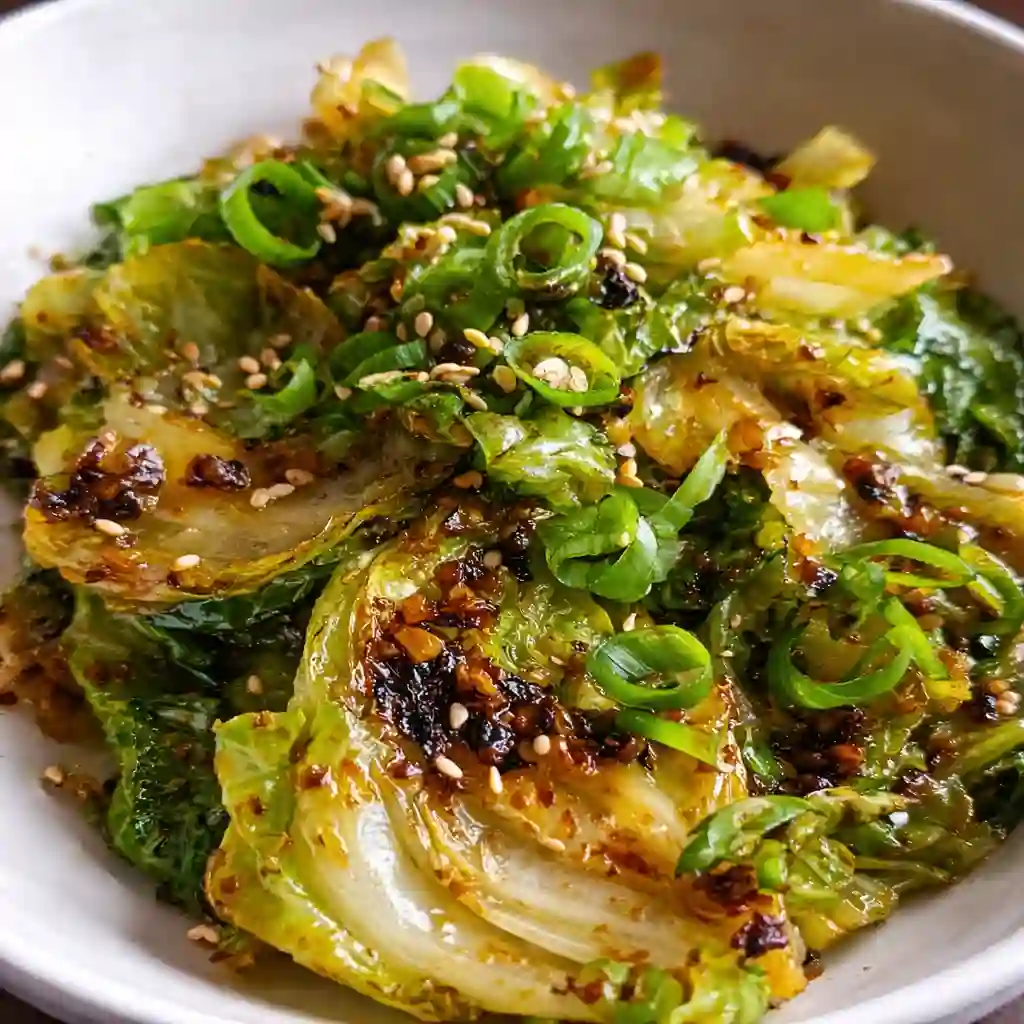
When you need a fast, comforting dinner that’s packed with flavor but light enough for any night of the week, Asian Cabbage Stir Fry is the answer. This humble vegetable transforms into something truly irresistible when sautéed with ginger, garlic, and savory Asian-inspired sauces. Tender yet lightly crisp, fragrant, and deeply satisfying, this dish proves that simple ingredients can deliver big comfort. Whether you’re craving a cozy vegetarian main or a versatile side dish to pair with your favorite proteins, this stir fried cabbage brings warmth, balance, and bold flavor to your table without hours in the kitchen. Try our Miso Butter Roasted Cabbage Wedges savory cabbage roasted with miso and butter for a flavorful side dish.
For a hearty, low-carb meal, check out Low-Carb Mongolian Ground Beef and Cabbage savory beef paired with tender cabbage and bold Asian-inspired flavors.
Enjoy a lighter twist on burgers with Oven-Baked Cabbage Burgers oven-baked patties nestled in tender cabbage leaves.
What Is / Why It’s Special
Asian Cabbage Stir Fry is a quick-cooked dish where cabbage is sliced thin and sautéed over high heat with aromatics like garlic and ginger, then finished with savory sauces. While cabbage is often overlooked, stir frying unlocks its natural sweetness and creates a tender-crisp texture that’s incredibly comforting.
What makes this dish special is how adaptable it is. You can lean Chinese-style with soy sauce and sesame oil, explore Thai cabbage stir fry flavors with ginger and lime, or keep it simple as a sautéed Asian cabbage side. It’s budget-friendly, nourishing, and endlessly customizable perfect for busy weeknights or cozy dinners at home.
Ingredients You’ll Need
Vegetables
- Green cabbage or napa cabbage (thinly sliced)
- Green onions
- Optional carrots or bell peppers
Aromatics
- Fresh garlic
- Fresh ginger
Sauce Components
- Soy sauce or tamari
- Sesame oil
- Neutral oil (avocado or vegetable)
- Optional rice vinegar or lime juice
Step-by-Step Instructions
Step 1 — Prep
Slice the cabbage into thin ribbons, keeping pieces uniform so they cook evenly. Mince the garlic and ginger, and prepare all sauces ahead of time. Stir frying moves fast, so having everything ready is key.
Step 2 — Build
Heat a large skillet or wok over medium-high heat. Add oil and swirl to coat. Once hot, add garlic and ginger, stirring quickly until fragrant but not browned.
Step 3 — Cook
Add cabbage in batches if needed to avoid overcrowding. Toss frequently, allowing the cabbage to soften while still retaining some crisp edges. This is where crispy cabbage texture develops.
Step 4 — Finish & Serve
Drizzle in soy sauce and sesame oil, tossing to coat evenly. Finish with green onions and a splash of acid if desired. Serve immediately.
Tips / Variations / Why You’ll Love It
- Use napa cabbage recipes stir fry style for extra tenderness
- Add chili flakes for heat
- Toss in tofu, shrimp, or chicken for a complete meal
- Perfect as a side or light main
This dish is fast, comforting, and endlessly flexible exactly what cozy weeknight cooking should be.
⭐How to Get Crispy Cabbage in an Asian Stir Fry (Without Frying)
Achieving perfectly crispy cabbage in an Asian cabbage stir fry is all about technique, not extra oil. One of the biggest mistakes home cooks make is overcrowding the pan. When too much cabbage is added at once, moisture gets trapped, causing the cabbage to steam instead of sauté. To avoid this, use a wide skillet or wok and cook in batches if needed. High heat is essential your pan should be hot before the cabbage touches it.
Another key factor is how the cabbage is cut. Thin, uniform slices allow for faster evaporation of moisture and even browning. Green cabbage works beautifully for crispy edges, while napa cabbage creates a softer, silkier texture. If you’re using napa cabbage, separate the thicker white stems from the leafy tops and add them to the pan first.
Timing matters just as much as heat. Aromatics like garlic and ginger should be added before the cabbage, but only briefly, so they don’t burn. The cabbage goes in next and should be tossed quickly, allowing it to sit untouched for a few seconds at a time so caramelization can happen. This method transforms basic stir fried cabbage into something deeply savory and satisfying.
Finally, sauces should always be added at the end. Adding soy sauce too early releases liquid and prevents browning. By finishing the dish with sauce, you preserve the cabbage’s texture while coating it in flavor. This simple approach is what separates soggy cabbage from truly crave-worthy Asian fried cabbage recipes and it’s a skill worth mastering.
⭐From Chinese to Thai: How One Cabbage Stir Fry Adapts Across Asian Cuisines
One of the most beautiful things about Asian Cabbage Stir Fry is how it effortlessly adapts across different Asian cuisines. In Chinese stir fry cabbage, the flavors are clean and savory. Soy sauce, garlic, ginger, and a touch of sesame oil allow the cabbage’s natural sweetness to shine. This version pairs perfectly with rice and classic Chinese-inspired dishes.
Thai cabbage stir fry, on the other hand, leans brighter and bolder. Fresh ginger cabbage flavors are enhanced with lime juice, fish sauce, or a hint of sugar for balance. This style creates a more aromatic and vibrant dish that works beautifully as a standalone vegetarian meal or alongside grilled proteins.
Even within these styles, there’s room for creativity. You can add chilies for heat, mushrooms for umami, or herbs like cilantro for freshness. This adaptability makes sautéed Asian cabbage a go-to recipe when your fridge is nearly empty but you still want something comforting and flavorful.
What ties all these variations together is simplicity. No matter the cuisine, cabbage remains the star absorbing flavor while maintaining its comforting texture. That’s why dishes like Chinese stir fry cabbage and Thai cabbage recipes have stood the test of time. They’re proof that great food doesn’t need complexity just thoughtful technique and balance.
FAQs
Can I use napa cabbage instead of green cabbage?
Yes, napa cabbage works beautifully and cooks faster.
How do I keep cabbage from getting soggy?
Use high heat, avoid overcrowding, and add sauces at the end.
Is this dish healthy?
Absolutely. It’s low-calorie, veggie-forward, and nourishing.
Can I make it ahead of time?
It’s best fresh, but leftovers reheat well in a hot skillet.
Conclusion
This Asian Cabbage Stir Fry proves that simple vegetables can become the most comforting meals. Fast, flavorful, and endlessly adaptable, it’s a recipe you’ll return to again and again.