
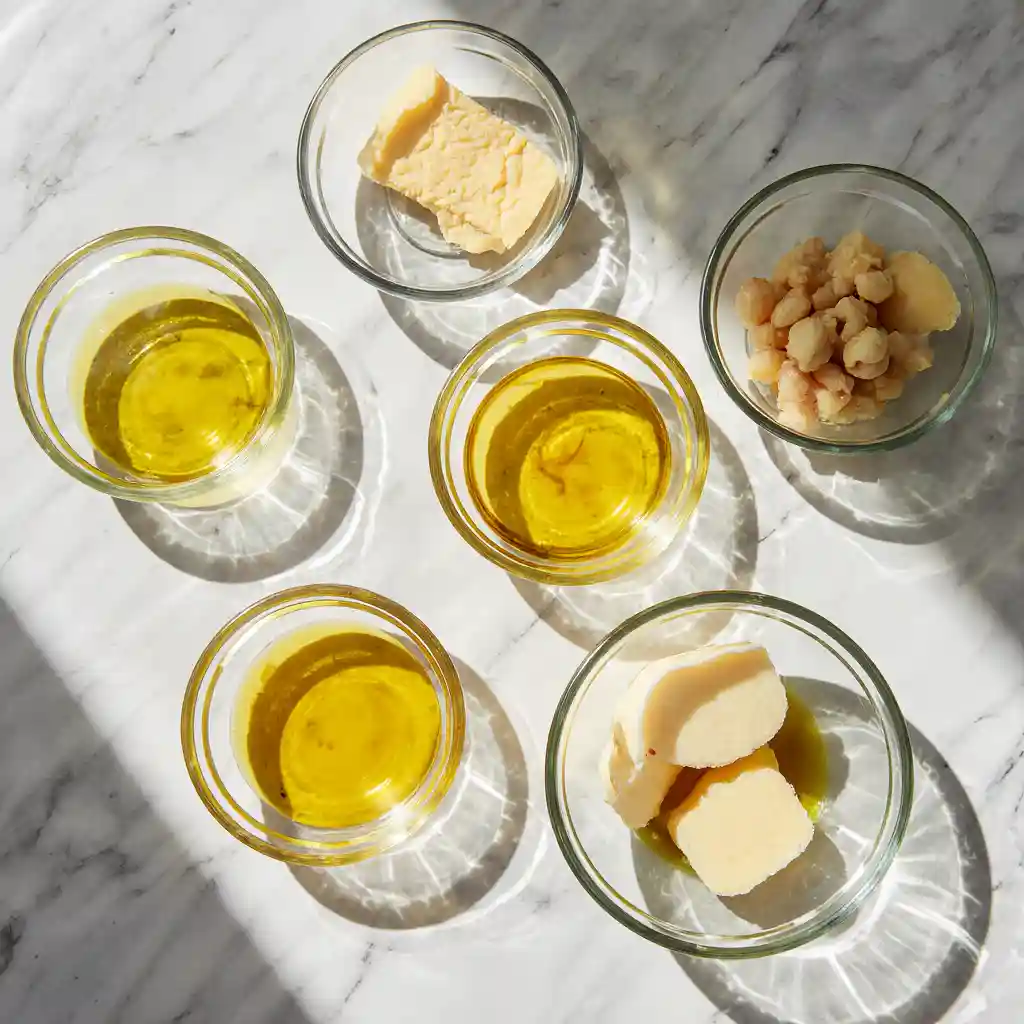
When cooking at high temperatures, choosing the right oil matters more than most people realize. Whether you’re searing steak in a cast iron skillet, roasting vegetables at 425°F, or using an air fryer, the oil you select can impact flavor, performance, and stability.
Many home cooks assume all oils behave the same under heat but they don’t. Some oils break down quickly, while others remain stable even at very high temperatures. In this 2026 clean cooking guide, we’ll break down smoke point, stability, and which oils actually perform best for high-heat cooking.
If you haven’t yet read our full oil comparison guide, start here:
👉 What Is the Healthiest Oil to Cook With? (2026 Clean Cooking Guide)
What Does “High Heat Cooking” Mean?
High heat cooking generally refers to temperatures above 400°F. This includes:
- Searing
- Stir frying
- Deep frying
- Roasting at high temperature
- Cast iron cooking
- Grilling
At these temperatures, oil stability becomes critical.
Why Smoke Point Matters
The smoke point is the temperature at which oil begins to visibly smoke and degrade.
When oil exceeds its smoke point:
- It can develop bitter flavor
- Nutritional compounds may break down
- Cooking performance declines
Smoke point isn’t the only factor but it’s one of the most practical indicators for home cooks.
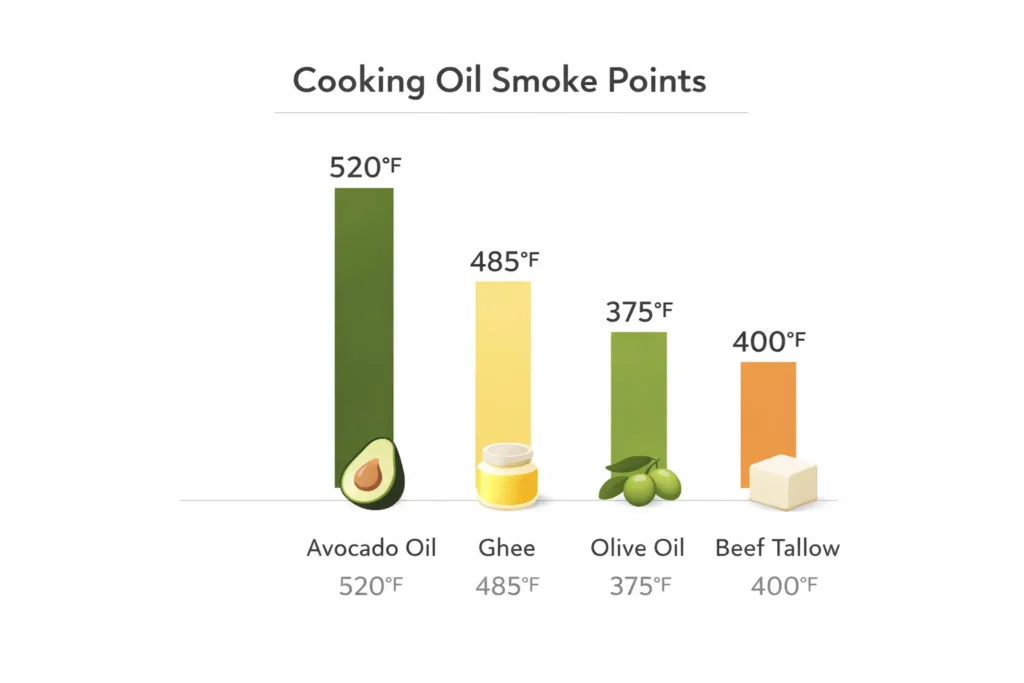
High Heat Cooking Oil Smoke Point Chart (2026)
| Oil | Smoke Point |
|---|---|
| Avocado Oil (Refined) | 500–520°F |
| Avocado Oil (Unrefined) | ~480°F |
| Light Olive Oil (Refined) | ~465°F |
| Extra Virgin Olive Oil | 350–375°F |
| Coconut Oil (Refined) | ~400°F |
| Coconut Oil (Unrefined) | ~350°F |
| Beef Tallow | ~400°F |
| Ghee | ~485°F |
Best Oils for High Heat Cooking
🥇 Avocado Oil (Refined)
Best overall high-heat oil.
- Extremely high smoke point
- Neutral flavor
- Versatile
- Ideal for searing, frying, air fryer use
Clean cooking note: choose reputable brands when possible.
🥈 Ghee
Excellent for high heat.
- High smoke point (~485°F)
- Rich buttery flavor
- Stable due to removal of milk solids
Great for sautéing and Indian-style cooking.
🥉 Light / Refined Olive Oil
Different from extra virgin olive oil.
- Higher smoke point
- Neutral taste
- Suitable for roasting
However, lacks the antioxidants of EVOO.
🟡 Beef Tallow
Traditional fat with solid stability.
- High smoke point
- Deep flavor
- Popular in traditional cooking
Works well for cast iron and frying.
Oils to Avoid for Very High Heat
These oils perform better at moderate temperatures:
- Extra Virgin Olive Oil (better for sautéing)
- Unrefined Coconut Oil
- Flaxseed Oil (not for heat at all)
They are still healthy just better suited for lower heat.
Is Extra Virgin Olive Oil Bad for High Heat?
This is one of the most common myths.
Extra virgin olive oil is stable for moderate cooking. However, at very high temperatures (450°F+), it can reach its smoke point.
It’s excellent for sautéing but not ideal for intense searing.
For more detailed comparison, read:
👉 Olive Oil vs Avocado Oil: Which Is Better for Cooking?
Stability Beyond Smoke Point
Smoke point is helpful, but not the full story.
Other factors that influence oil stability:
- Fatty acid composition
- Presence of antioxidants
- Processing method
- Storage conditions
Monounsaturated fats (like olive and avocado oil) tend to be more stable than polyunsaturated-heavy oils.
Best Oil for Specific High Heat Methods
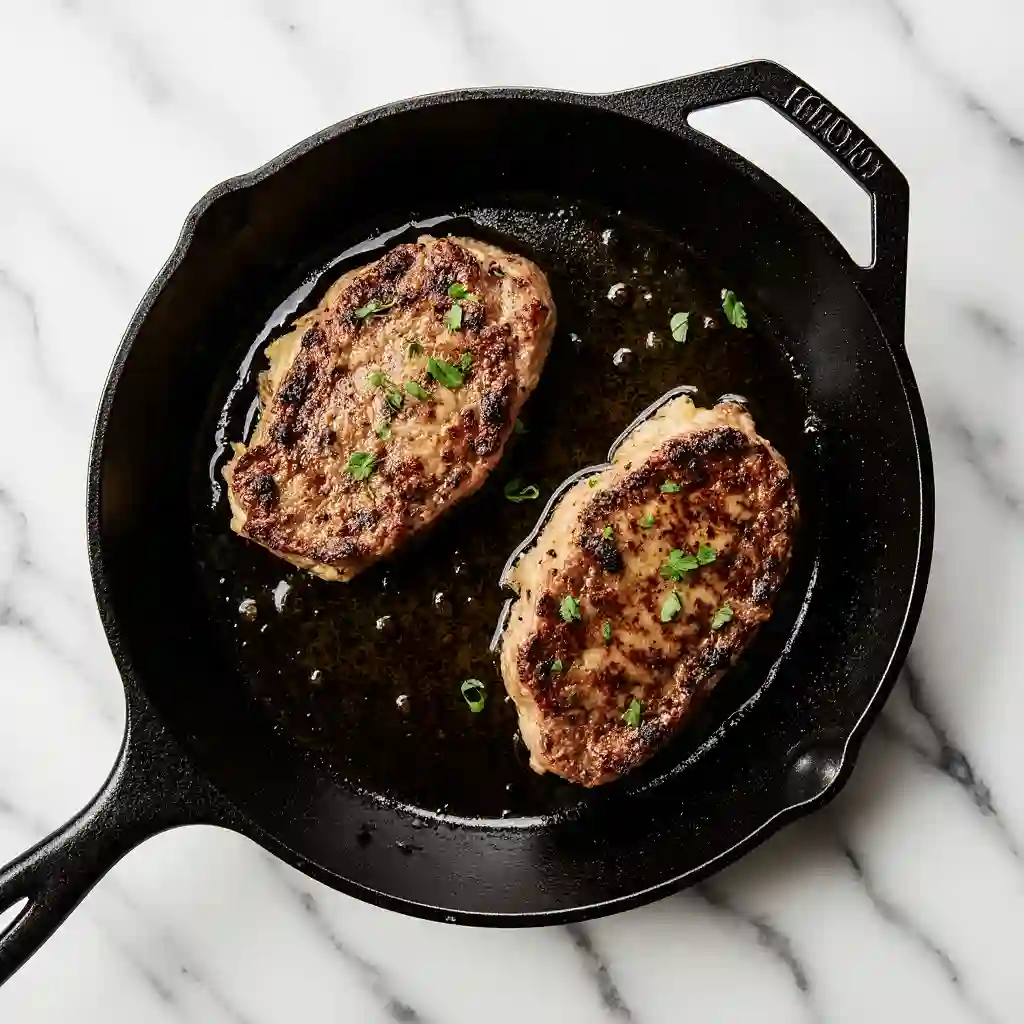
🔥 Searing Steak
Best: Avocado oil or beef tallow
🍟 Air Fryer
Best: Avocado oil or light olive oil
🥘 Stir Fry
Best: Avocado oil
🥔 Roasting at 425°F+
Best: Avocado oil or ghee
🍗 Deep Frying
Best: Avocado oil (refined) or tallow
Clean Cooking Perspective (2026)
The goal isn’t fear it’s informed choice.
Instead of debating oils aggressively, clean cooking focuses on:
- Matching oil to temperature
- Avoiding overheating
- Rotating fats strategically
- Choosing minimally processed options when possible
Using the right oil for the right job improves cooking results and flavor while maintaining stability.
Should You Keep Multiple Oils?
Yes.
A practical clean cooking kitchen in 2026 usually includes:
- Extra virgin olive oil (daily use)
- Avocado oil (high heat)
- Optional ghee or tallow (special cooking)
You don’t need 10 oils just the right ones for different temperatures.
FAQs
What oil has the highest smoke point?
Refined avocado oil (~520°F).
Can I sear steak in olive oil?
Better to use avocado oil for very high heat searing.
Is avocado oil healthier than olive oil for high heat?
It’s more heat-stable at high temperatures.
Is ghee good for high heat cooking?
Yes, ghee has a high smoke point and strong stability.
Final Verdict (High Heat Guide 2026)
If you’re cooking above 425°F regularly, refined avocado oil is one of the most practical and stable options available.
For moderate heat, extra virgin olive oil remains excellent.
The smartest approach isn’t choosing one oil forever it’s understanding when each performs best.
For a complete oil breakdown, visit our full guide:
👉 What Is the Healthiest Oil to Cook With? (2026 Clean Cooking Guide)