
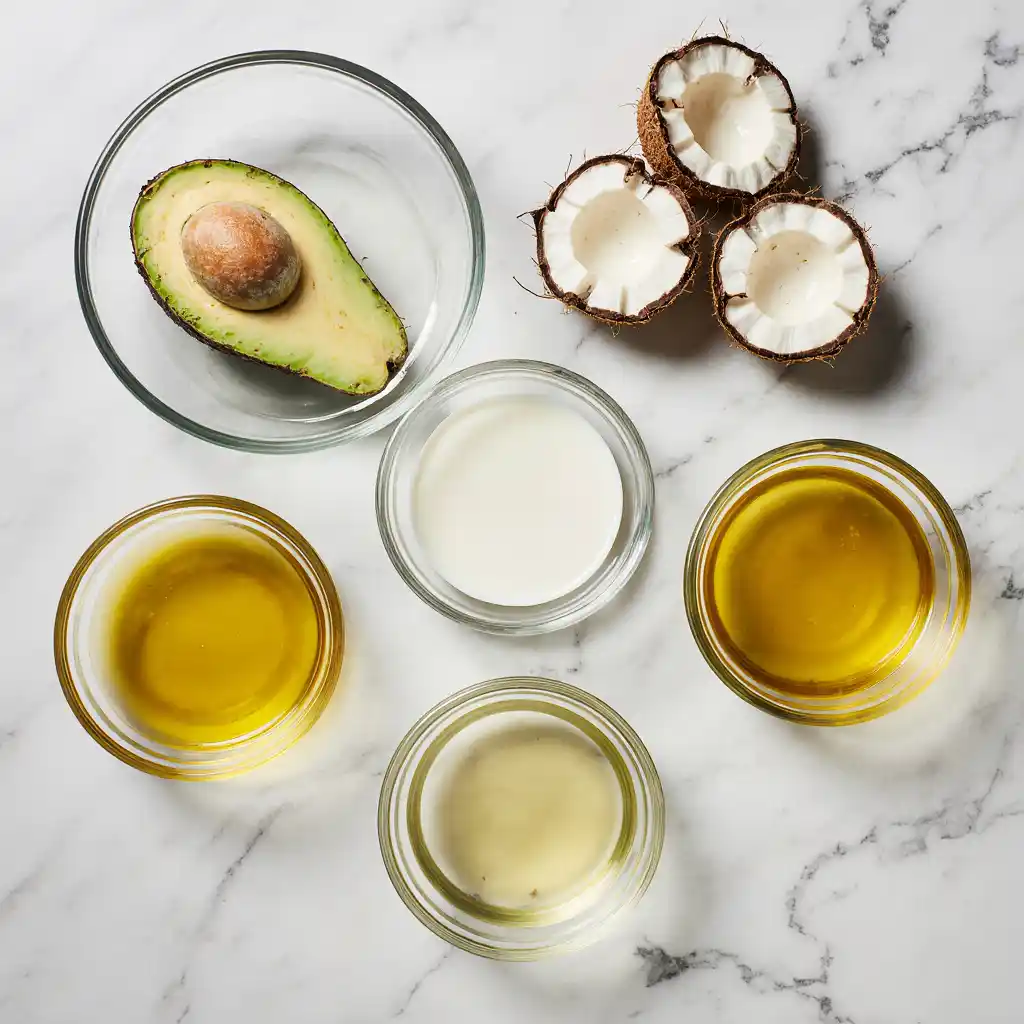
Choosing the healthiest oil to cook with has become one of the most debated kitchen questions in recent years. From olive oil and avocado oil to beef tallow and coconut oil, home cooks are trying to balance flavor, nutrition, and cooking performance. With rising concerns about seed oils, smoke points, and processing methods, it can feel overwhelming to know which oil truly belongs in your kitchen.
This guide takes a calm, clean cooking approach. Instead of extremes or trends, we’ll break down what actually matters: heat stability, fat composition, processing, and practical everyday use. Whether you’re searing steak in a cast iron skillet, roasting vegetables, or preparing a cozy family dinner, the goal is simple choose the oil that works best for your cooking style and health priorities.
What Makes a Cooking Oil “Healthy”?
When people ask what the healthiest oil to cook with is, they’re usually thinking about one of four things:
- Smoke point
- Fat composition
- Processing method
- Oxidation stability
Let’s simplify each one.
1️⃣ Smoke Point
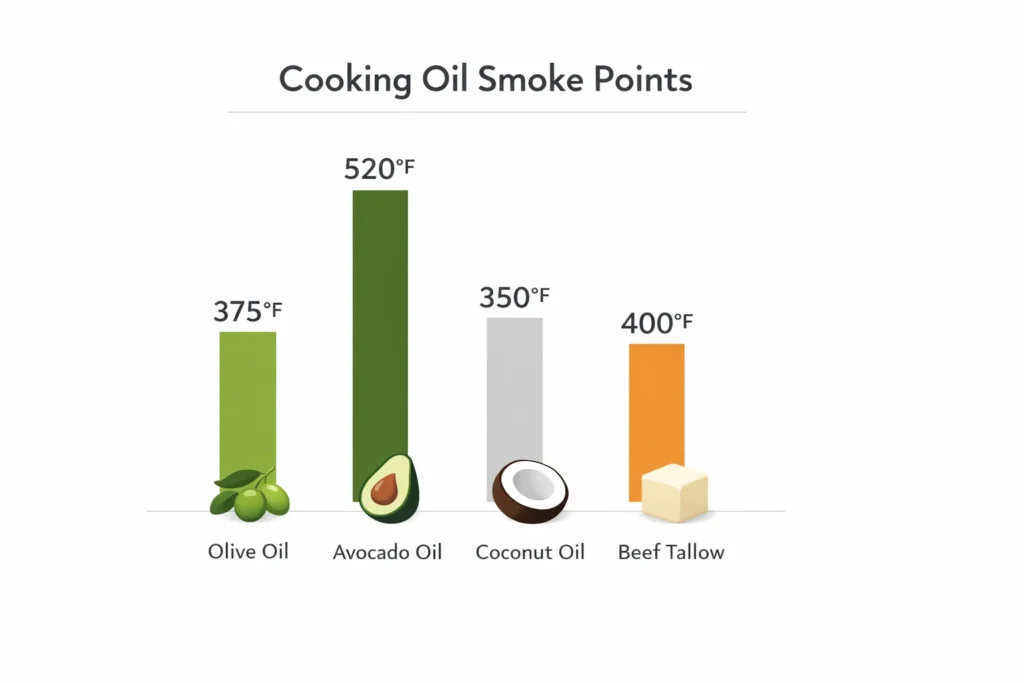
The smoke point is the temperature at which oil begins to break down and produce visible smoke. When this happens, flavor deteriorates and potentially harmful compounds can form.
- Low smoke point oils are better for dressings or low heat cooking.
- High smoke point oils are better for frying, searing, or cast iron cooking.
Heat stability matters more than many people realize.
2️⃣ Fat Composition
Oils contain different types of fats:
- Monounsaturated fats (MUFA) – generally stable and heart-friendly.
- Saturated fats – very heat stable.
- Polyunsaturated fats (PUFA) – more delicate and prone to oxidation when heated.
Clean cooking focuses on choosing oils appropriate for how they’re used not labeling entire categories as “good” or “bad.”
3️⃣ Processing
Some oils are:
- Cold-pressed
- Refined
- Expeller-pressed
Refining increases smoke point but can reduce certain nutrients. Cold-pressed oils retain more antioxidants but may not tolerate high heat as well.
4️⃣ Oxidation Stability
When oils oxidize under heat, they degrade. Oils with more stable fat structures tend to handle high heat better.
This is why smoke point and fat composition work together.
Cooking Oil Comparison Chart (2026)
Here’s a simplified comparison of commonly used oils:
| Oil | Smoke Point | Best For | Clean Cooking Profile |
|---|---|---|---|
| Extra Virgin Olive Oil | ~375°F | Medium heat, sautéing | Rich in antioxidants |
| Avocado Oil (Refined) | ~500°F | High heat, searing | Very heat stable |
| Beef Tallow | ~400°F | Cast iron, roasting | Traditional, stable fat |
| Coconut Oil | ~350°F | Baking, light sautéing | Saturated, heat stable |
| Butter | ~300°F | Low heat, flavor | Not ideal for high heat |
| Peanut Oil | ~450°F | Frying | High smoke point |
No oil is perfect for every situation.
The healthiest oil to cook with depends on how you cook.
Is Olive Oil Still Healthy in 2026?
Yes. Extra virgin olive oil remains one of the most researched and widely supported oils in the world.
It contains:
- Monounsaturated fats
- Polyphenols
- Antioxidants
For medium heat cooking, sautéing vegetables, or finishing dishes, olive oil is an excellent choice.
However, for high-heat searing or deep frying, refined avocado oil or more stable fats may perform better.
Clean cooking means using olive oil where it shines, not forcing it into high-heat scenarios it wasn’t designed for.
Is Avocado Oil Better for High Heat?
Refined avocado oil has one of the highest smoke points available in grocery stores around 500°F.
That makes it ideal for:
- Cast iron cooking
- Searing steak
- High-heat roasting
- Air fryer use
Avocado oil is rich in monounsaturated fats and tends to be neutral in flavor.
For high-temperature cooking, it’s one of the most versatile clean options.
Is Beef Tallow Healthy?
Beef tallow has returned to popularity in clean cooking discussions.
It is:
- Heat stable
- Traditional
- Saturated and monounsaturated fat rich
Historically, tallow was widely used before refined vegetable oils became common.
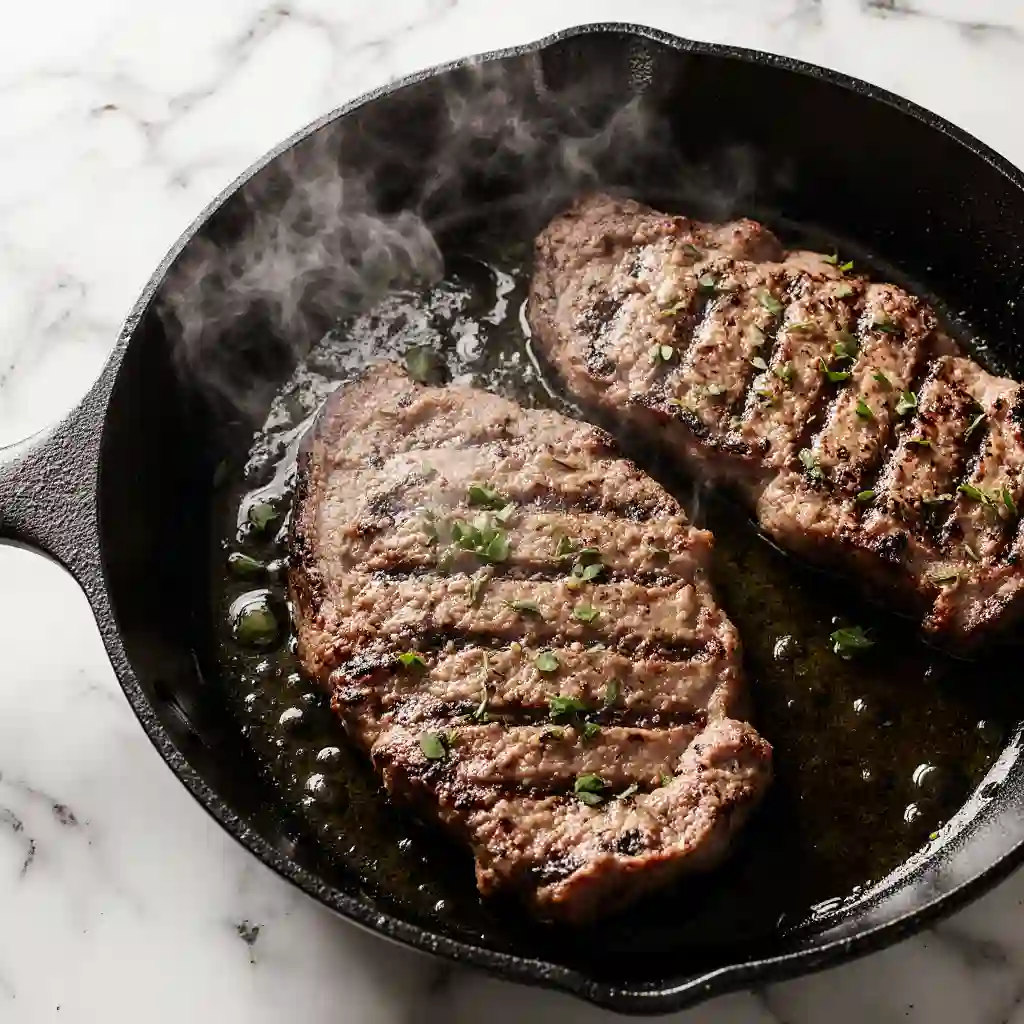
Used moderately, especially for roasting potatoes or searing meat, beef tallow can be part of a balanced cooking approach.
The key is moderation and variety not extremes.
Are Seed Oils Bad?
This is where the debate becomes intense online.
Seed oils (such as soybean, corn, and sunflower oil) are high in polyunsaturated fats. These fats are more sensitive to oxidation under high heat.
However:
- In moderate amounts
- Used appropriately
- Not overheated repeatedly
They are not inherently dangerous.
Clean cooking focuses on heat stability and quality rather than labeling entire categories as harmful.
Best Oils by Cooking Method
🔥 For High Heat Searing
- Refined avocado oil
- Beef tallow
🥗 For Salad Dressings
- Extra virgin olive oil
- Cold-pressed avocado oil
🍳 For Cast Iron Cooking
- Avocado oil
- Tallow
🥔 For Roasting Vegetables
- Olive oil (moderate heat)
- Tallow (higher heat)
🧁 For Baking
- Coconut oil
- Butter
- Olive oil (in some cakes)
Choosing oil based on method is more important than choosing one “perfect” oil.
Common Mistakes When Cooking With Oil
- Overheating extra virgin olive oil.
- Reusing frying oil too many times.
- Choosing flavor over stability for high heat.
- Storing oils near heat and light.
Proper storage also matters keep oils in dark, cool places.
FAQ
What is the healthiest oil to cook with daily?
For moderate heat cooking, extra virgin olive oil is a strong everyday option.
What oil is best for high heat cooking?
Refined avocado oil is one of the most heat-stable choices.
Is beef tallow healthier than olive oil?
They serve different purposes. Olive oil is antioxidant-rich, while tallow is highly heat stable.
Is peanut oil a seed oil?
Yes, peanut oil comes from peanuts, which are legumes, but it behaves similarly to other high-smoke-point oils.
Is sesame oil a seed oil?
Yes, it is derived from sesame seeds and is best used for flavoring rather than high heat frying.
Can I cook with olive oil at high heat?
It can tolerate moderate heat but is not ideal for extreme temperatures.
Is coconut oil healthy?
In moderation, yes. It is stable but high in saturated fat.
Should I avoid seed oils completely?
Clean cooking emphasizes balance, proper heat use, and quality sourcing over elimination.
Final Thoughts
The healthiest oil to cook with in 2026 is not a single oil it’s the right oil for the right cooking method.
A balanced kitchen might include:
- Olive oil for everyday sautéing
- Avocado oil for high heat
- Tallow for occasional traditional cooking
Clean cooking isn’t about fear it’s about understanding stability, flavor, and practicality.
If you love cozy, flavorful meals cooked thoughtfully, choosing the right oil is simply one more way to elevate your kitchen.